

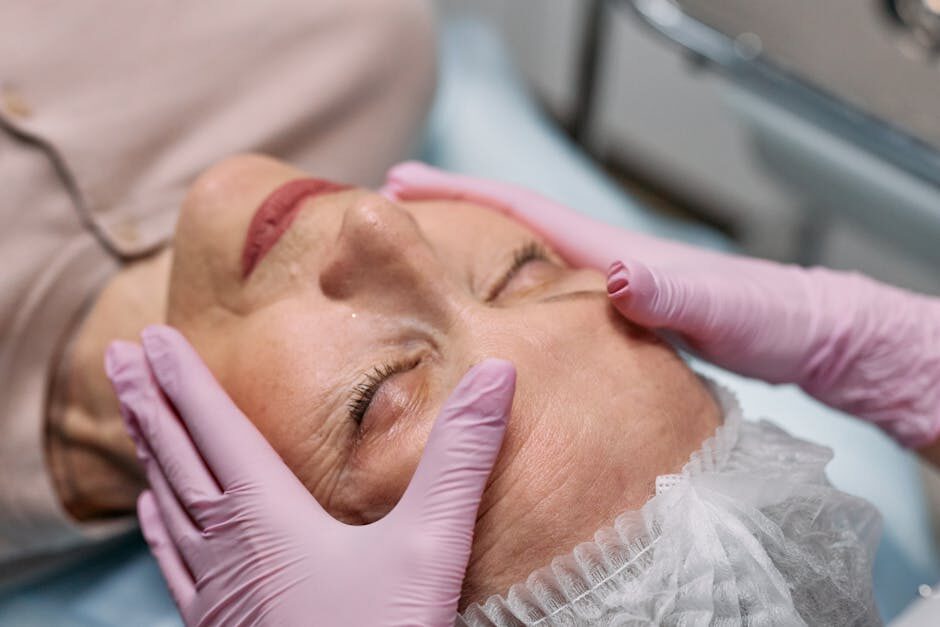

Envision waking to the gentle hum of red light as it penetrates deep into your muscles. Picture tiny synaptic clefts reigniting with newfound vibrancy under this glow. Witness nerves and fibers rekindle their ancient dialogue through a subtle dance of photons.
Aging doesn’t pause for anyone, and our bodies’ silent struggle with sarcopenia often begins at the very juncture where nerves meet muscle fibers: the neuromuscular junctions. Over time, these connections fray, losing their capacity to sustain muscle strength and mass. Recent animal research probes whether low-level red laser light can reverse some of this degeneration by examining aged rats’ muscle ultrastructure. Photobiomodulation offers a glimpse into light-activated rejuvenation at a microscopic scale, even as real-world human benefits remain a subject of careful scrutiny.
In a recent experiment, male Wistar rats aged 18 months received photobiomodulation therapy on one vastus lateralis muscle (650 nm wavelength, 6 J/cm², four daily sessions of three minutes each), while the opposite limb served as an untreated control. Light and transmission electron microscopy revealed classic signs of aging in control muscles: myofibril fragmentation, sarcomere disorganization, lipofuscin buildup and increased connective tissue. Treated muscles exhibited striking ultrastructural shifts, including a rise in presynaptic active zones, elongation of the postsynaptic membrane and a narrower synaptic cleft. Mitochondrial hyperplasia appeared in presynaptic terminals, even though overall synaptic vesicle counts dipped slightly, hinting at a compensatory remodeling of the neuromuscular junction.
Scientists theorize that red light may boost mitochondrial function by enhancing cellular respiration and ATP production, though the exact mechanism remains elusive. While small animal models point to measurable gains in junction structure and muscle integrity, decades of clinical use suggest that any real-world improvements in human muscle performance are subtle. Many enthusiasts undergo low-level laser therapy for joint pain, inflammation and tissue repair, yet substantial, reproducible enhancements in strength and mass at population scale have yet to materialize. This careful balance between promising microscopic evidence and tempered expectations underlines the need for further exploration before declaring photobiomodulation a muscle-aging panacea.
What is photobiomodulation and how does it work?
Photobiomodulation, often referred to as PBM, describes a non-invasive approach that uses low-level red or near-infrared light to stimulate cellular processes. By delivering light at specific wavelengths—commonly around 650 nm—clinicians target chromophores within mitochondria, triggering a cascade of biochemical events. The absorption of photons by cytochrome c oxidase leads to enhanced mitochondrial function, boosting adenosine triphosphate (ATP) production and reducing oxidative stress. These effects are essential in tissues where energy demand and repair mechanisms are critical, such as in skeletal muscle.
Despite decades of clinical use, the exact molecular pathways remain partly enigmatic. Researchers have proposed that PBM modulates reactive oxygen species and nitric oxide signaling, improving cellular resilience. In practice, red laser light therapy devices emit coherent light at controlled doses, measured in joules per square centimeter (J/cm²). Typical protocols involve sessions of a few minutes per area, repeated over days or weeks to accumulate benefits.
While smaller animals exhibit clear penetration of red wavelengths to deep tissues, debates persist about efficacy in larger humans. Tissue scattering and absorption by hemoglobin can limit the reach of light. To address this, some practitioners combine PBM with exercise or massage, enhancing local blood flow and light distribution. Understanding these dynamics is crucial for anyone exploring PBM as a strategy to combat muscle aging and optimize long-term wellness.
How does muscle aging affect neuromuscular junctions?
As we age, the integrity of neuromuscular junctions (NMJs)—the synapses linking motor neurons to muscle fibers—declines progressively. This deterioration undermines the electrical and chemical signaling that maintains muscle trophism, leading to characteristic atrophy, reduced strength, and compromised function. The combined loss of muscle mass (sarcopenia) and strength (dynapenia) transforms once-simple movements into challenging tasks.
Ultrastructural studies reveal fragmentation of synaptic folds, widening of the synaptic cleft, and decreased numbers of active zones on the presynaptic membrane. Without efficient neurotransmitter release, muscle fibers receive less stimulation, triggering a vicious cycle of underuse and further degeneration. Central nuclei appear in aged muscle cells, and connective tissue infiltrates the muscle belly, replacing contractile elements.
This decline impacts everyday activities like climbing stairs or holding grocery bags. Beyond functional loss, aging NMJs contribute to metabolic shifts—less muscle mass means lower resting energy expenditure, increasing the risk of weight gain and insulin resistance. Interventions aimed at preserving NMJ health thus deliver dual benefits: improved mobility and enhanced metabolic resilience, cornerstones of a longevity-focused lifestyle.
Can photobiomodulation reverse neuromuscular degeneration?
Emerging evidence suggests that targeted PBM might not only halt but partially reverse NMJ degeneration. By enhancing mitochondrial biogenesis and boosting ATP availability, PBM provides the energy required for synaptic repair and growth. Animal models demonstrate that repeated light exposure fosters a compensatory reorganization of NMJs, with increased presynaptic active zones and elongation of postsynaptic membranes.
However, translating these findings into clinical practice demands caution. Human trials have often yielded modest outcomes compared to preclinical models. Large-scale adoption of PBM in physiotherapy and sports medicine has not revealed dramatic improvements in muscle strength or mass. One must temper expectations, recognizing that PBM effects on human tissues may be subtle yet cumulative over months.
“Treating aged neuromuscular junctions with PBM could act as a catalyst rather than a magic bullet,” notes one expert in a recent review. Integrating PBM with resistance training and nutritional support—especially adequate protein and micronutrients that support mitochondrial health—appears to amplify results. For individuals seeking a comprehensive strategy against age-related muscle decline, PBM remains an intriguing adjunct.
“The synergy between photobiomodulation and targeted exercise may hold the key to unlocking more significant gains in muscle function among older adults.”
What evidence supports photobiomodulation from animal studies?
A landmark study examined aged Wistar rats (18 months old) to evaluate ultrastructural changes in the vastus lateralis muscle after PBM. Over four consecutive days, the right limb received 650 nm light at 6 J/cm² for three minutes per session, while the left limb served as a control. Light and transmission electron microscopy revealed striking differences between treated and untreated muscles.
In control samples, age-related hallmarks were evident: myofibril fragmentation, sarcomere disarray, lipofuscin deposits, and tubular aggregates. Conversely, PBM-treated muscles showed enhanced synaptic architecture. Researchers noted a significant rise in the number of active zones on presynaptic membranes, elongation of postsynaptic folds, and a narrower synaptic cleft. Presynaptic terminals exhibited mitochondrial hyperplasia, suggesting elevated energy production, although total synaptic vesicle counts decreased, perhaps reflecting more efficient neurotransmitter cycling.
These findings support a model of compensatory reorganization, where PBM stimulates NMJ components to rebuild and fortify connections. While the study’s sample size was small (n = 10 rats), the consistency of ultrastructural improvements across specimens lends weight to the therapeutic potential of PBM in mitigating age-associated synaptic decline.
Case study insights
One rat in the PBM group displayed near-complete restoration of synaptic folds, correlating with improved grip strength in behavioral tests. Although replication in larger cohorts and different species is necessary, such anecdotes hint at clinically relevant benefits.
How might clinicians apply photobiomodulation safely?
For healthcare providers considering PBM, protocol standardization is crucial. Begin by selecting appropriate wavelengths (600–700 nm for superficial muscles; 800–900 nm for deeper targets) and dosing (1–10 J/cm²). Deliver light with a handheld or panel-based device, ensuring even coverage of the muscle belly and motor point.
Safety profiles are excellent, with minimal adverse effects reported. Patients may experience mild warmth or transient redness. Contraindications include active malignancies near treatment sites and photosensitive conditions. Documentation of parameters—power density, duration, distance from skin—is essential to facilitate reproducibility and outcome tracking.
PBM integrates smoothly within physiotherapy sessions. A typical regimen might combine three weekly sessions over six to eight weeks, alongside resistance exercises. Monitoring muscle strength, functional tests, and subjective well-being can guide adjustments. These practices align with broader trends documented in the Charting the Upcoming Trends in Health Innovation review.
Lastly, patient education on realistic expectations prevents disappointment. Emphasize PBM as a supportive tool rather than a stand-alone solution. When communicated clearly, this mindset fosters adherence and enhances overall satisfaction with the treatment journey.
What are future directions and integrated approaches?
Looking ahead, researchers aim to refine PBM devices for personalized care. Advances in wearable technology could allow continuous low-level light exposure during daily activities, maintaining a steady stimulus for NMJ repair. Combining PBM with photodynamic therapy or topical agents that sensitize cells to light represents another frontier.
Nutrition and mind-body practices complement PBM’s effects. For instance, the interplay between yoga and cellular health extends beyond flexibility. Recent analyses highlight how regular yoga may support mitochondrial integrity and reduce oxidative damage, indirectly benefiting muscle and synaptic health. Readers interested in these synergies can explore The Impact of Yoga on Skin Aging for insights on holistic wellness.
Engagement with the scientific community remains vital. Subscribing to resources like the Fight Aging Newsletter keeps practitioners informed about emerging mechanisms, clinical trials, and best practices. Ultimately, harnessing photobiomodulation within a multidisciplinary framework promises to elevate care for aging populations, offering renewed function and vitality at the cellular synapse and beyond.


