

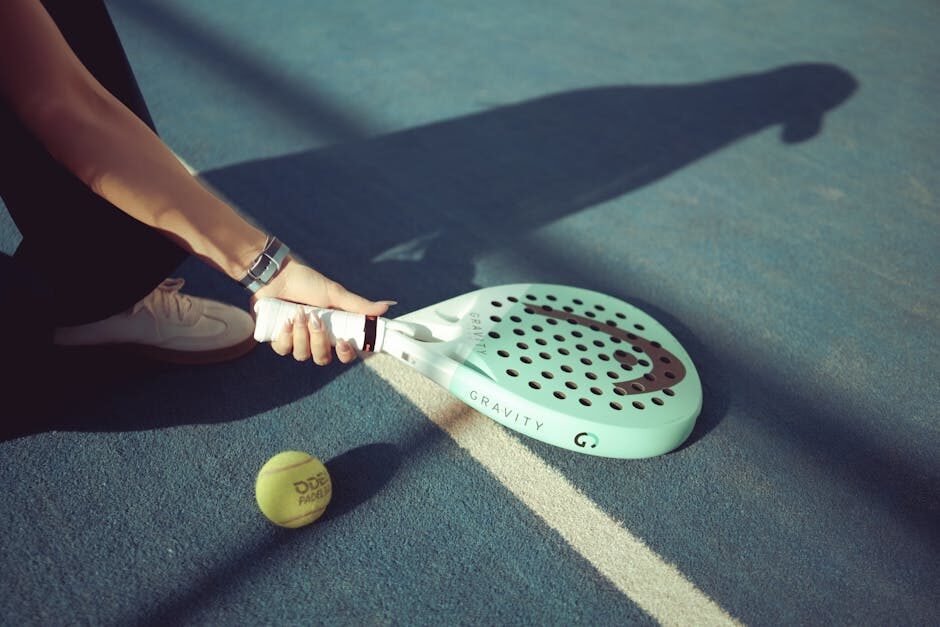

Padel feels like a fresh breeze sweeping through the world of racket sports. It blends athleticism, strategy, and social fun into every serve and volley. From the moment you grip that dense padel racket, you know you’re in for something different.
Every step on the court invites you to rally against walls of glass rather than just an open net. The perforated surface of the racket delivers a satisfying thwack with each connection, rewarding power over precision. A larger court and doubles play encourage teamwork and playful banter as much as physical exertion. With a growing global following, padel is carving its own niche beyond the pickleball craze.
Imagine trading the tight no-volley zones of pickleball for a court enclosed in tall, transparent panels that send the ball bouncing back at you in surprising angles. Those thick, dense rackets create a delightful resonance—every hit feels solid yet forgiving. You’ll cover more ground in a cooperative doubles format, without worrying about stepping into forbidden territory. The glass walls become an extension of your strategy, turning defensive lobs into offensive opportunities.
Pickleball stole the spotlight when socially distanced activities soared in 2020, attracting over 36.5 million players in the US from August 2021 to August 2022. Since then, interest in pickleball dipped nearly 10 percent, while searches for padel rocketed to an all-time high in 2025. Google Trends’ 2026 data even recorded a 30 percent surge in “padel courts near me,” signaling a shift in court sport preferences.
As someone more attuned to yoga mats and sound baths than shuttlecocks, I approached my first padel lesson with cautious curiosity. I met Brad Korzen, co-founder of Proper Hospitality, on his private court—brimming with excitement to introduce padel to Proper Hotels guests. “Padel really meets the moment in how people want to move and connect right now,” a Proper Hotels representative shared. “It has a low barrier to entry, so anyone can get involved, but it still delivers the energy, competition, and social interaction that keeps them coming back.”
After basic drills to get used to that heavier racket, I felt empowered by the extra oomph I could generate with each swing. Missing a shot was more funny than frustrating, and the rebound off glass walls often rescued my awkward returns. That satisfying power rush when the ball thwacked into the sweet spot ignited my competitive spark. Friendly encouragement from fellow beginners turned every practice into a small celebration.
“What’s also accelerating the growth is how visual the sport is—the rallies, the glass court, the pace of play all translate incredibly well on social media,” the Proper rep added. With high-flying exchanges and replays off mirrored walls, padel has become a feast for anyone scrolling through feeds. It’s an inviting spectacle that draws players and spectators alike, weaving camaraderie into every point.
For my second lesson, I ventured to the rooftop Padel Up courts above Century City mall. Confidence grew as my swings became crisper and my footwork more assured. Chatting during downtime felt natural, and cheering teammates on provided the perfect breather between rallies. While I’m still far from tournament-ready, those friendly rivalries sparked genuine excitement and motivated me to improve.
There’s so much to embrace in padel’s blend of freedom and strength. You can lean on raw force instead of pixel-perfect precision, and the doubles format weaves social connection into every match. “Pickleball opened the door for social racket sports in the US, but padel feels like a natural evolution,” Proper notes. “It offers a more dynamic workout, a stronger built-in social format, and a level of strategy and competitiveness that really resonates with today’s consumer.”
Grab your phone, rally your friends, and reserve a court—then feel the thrill as you pick up that racket for the first time. It’s the perfect invitation to rediscover sport through laughter, collaboration, and an unbeatable clink of ball on face.
What makes padel stand out from other racket sports?
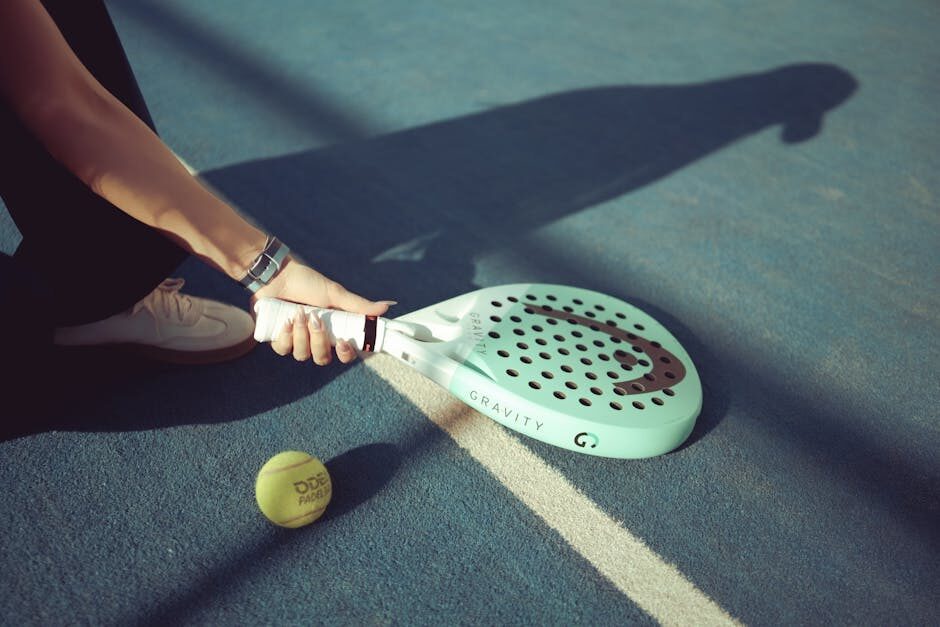
Imagine a hybrid of tennis and squash, where a perforated racket delivers a resonant “thwack” against a bright yellow ball. Welcome to the world of padel, a sport that blends power, strategy, and social energy. Unlike its cousin pickleball, padel features a slightly larger court surrounded by tall glass walls. These walls aren’t just barriers—they’re active elements of play. You can bounce shots off them to create unpredictable angles, elevating the tactical depth.
The rackets themselves are thick, solid, and surprisingly forgiving. Beginners quickly discover that they can generate immense force without sacrificing control or risking wrist strain. The absence of a strict no-volley zone, so common in pickleball, keeps rallies flowing, fostering an immersive rhythm that invites players to think three moves ahead.
Picturing two teams of two darting across a 20-by-10 meter court, you see why padel promotes teamwork. Communication isn’t optional; it’s the secret weapon that transforms casual rallies into fierce, coordinated battles. Pair that with the blurred line between offense and defense—courtesy of the glass walls—and you have a sport that demands agility and creativity in equal measure.
“It has a low barrier to entry, so anyone can get involved, but it still delivers the energy, competition, and social interaction that keeps them coming back.” – Proper Hotels representative
Whether you’re a former tennis pro or a total novice, padel’s unique mix of power, precision, and social engagement puts it in a league of its own among racket sports.
How did my first padel experience unfold?
Walking onto the court for the first time, I felt equal parts excitement and nervousness. My background in gentle yoga and sound baths didn’t exactly scream “court conqueror,” especially given my limited depth perception. But padel’s charm lies in its welcoming spirit. My initial lesson took place on a private court owned by an enthusiastic advocate of the sport. She introduced me to the solid, foam-core racket that felt surprisingly comfortable in my grip.
We began with simple feed drills: soft underhand lobs, gentle volleys, and gradual volleys off the wall. The moment I connected with the ball, that resonant thwack confirmed I could command real power. Even when I missed a swing, the trainer’s calm encouragement nudged me forward. Within minutes, I grasped the concept of using the glass perimeter to keep the ball alive—an exhilarating discovery.
As the session progressed, I noticed my confidence building. The trainers paired me with other newcomers, turning each drill into a mini social experience. High-fives followed every successful rally, and laughter filled the breaks. Despite my initial hesitations, I found padel’s friendly competition was more energizing than intimidating.
By the end of the one-hour lesson, I had developed a basic rally rhythm and a newfound respect for padel’s accessibility. No olympic-grade athleticism required—just curiosity, a willingness to move, and the readiness to use every inch of the court, walls included.
Why is padel rapidly growing worldwide?
In recent years, padel has exploded from niche pockets in Spain and Argentina into global hotspots. According to industry analysts, the sport’s visual appeal—fast-paced rallies, vibrant courts, and dynamic plays off the glass walls—translates seamlessly to social media. Short, engaging videos rack up millions of views, enticing new players to try the “cool cousin” of pickleball.
Part of padel’s allure stems from its inclusive nature. You don’t need professional coaching or specialized conditioning to have a blast. Amateurs and pros share the same courts, often forming informal leagues in clubs, hotels, and rooftop spaces. For many, this sense of belonging proves irresistible.
Case study: Padel at a luxury hotel
At a prominent city-center hotel, padel courts on the rooftop terrace became the ultimate guest magnet. Within weeks of installation, court bookings soared 40 percent above the hotel’s fitness studio reservations. Guests praised the sport’s balance of social fun and cardio intensity. Weekend tournaments turned into vibrant social events, complete with post-game drinks on the terrace.
This trend underscores a larger shift: people crave active experiences that connect them. Traditional gym classes can feel solitary; padel demands interaction. Every point won or lost deepens camaraderie, fueling repeat play.
Google Trends highlights reinforce this surge. Searches for “padel courts near me” jumped by 30 percent last year. Meanwhile, search interest in pickleball dipped nearly 10 percent. That indicates a broader migration toward a sport offering fresh challenges and a stronger communal vibe.
What practical tips help beginners feel at ease on the court?
Starting any new sport can feel daunting, but padel’s learning curve is remarkably gentle if you follow a few guidelines:
1. Choose the right racket
Beginner rackets feature a larger sweet spot and lighter weight. Focus on grip comfort—your hand should form a natural “V” between thumb and forefinger.
2. Master the basic stance
Keep your knees slightly bent and weight on the balls of your feet. This ready position allows you to pivot quickly for volleys and lobs.
3. Practice wall rebounds
Spend 10 minutes hitting the ball against the side glass at a moderate pace. This drill builds anticipation skills and familiarizes you with unpredictable angles.
4. Communicate with your partner
Strong partners share court coverage. Call “mine” or “yours” loudly—clear communication prevents collisions and maximizes strategy.
5. Embrace the social rhythm
Take breaks between rallies to chat, hydrate, and strategize. Padel thrives on its social dynamics. A friendly grin after a missed shot keeps the atmosphere positive.
By integrating these tips, newcomers can accelerate their comfort level in under an hour. Remember, padel rewards experimentation: try unconventional shots, celebrate small victories, and relish the collective energy.
What health and social benefits does padel offer?
Beyond the thrill and competition, padel delivers substantial health dividends. Each session alternates high-intensity sprints with brief recovery periods, effectively boosting cardiovascular endurance. Muscles in the legs, core, and shoulders engage continuously as you shift stance, pivot for smashes, and stabilize for overhead volleys.
Compared to tennis or squash, padel features fewer abrupt direction changes, reducing joint stress and minimizing injury risk. That makes it appealing to a broad age range—teens through retirees can enjoy intense workouts without excessive wear on their knees or ankles.
“Padel offers a dynamic workout and a stronger built-in social format than many other sports.” – Industry insider
On the social front, padel shines. Teams of two create instant bonds, forging trust through coordinated plays and shared laughter. Regular game nights transform into social rituals—players anticipate both the physical challenge and the post-game hangout.
Moreover, the sport’s strategic depth engages the mind. Players analyze opponents’ positions, predict ball trajectories off the glass, and devise tactical shot selections. This cognitive workout sharpens focus and enhances mental agility, complementing the physical benefits.
In sum, padel stands out as more than a fleeting trend. It combines cardio, strength training, mental stimulation, and social bonding into every session. For those seeking an engaging, health-oriented pursuit that cultivates community, padel may just be the perfect match.


