



Every heartbeat echoes years lived, yet breakthroughs are tuning that rhythm to youthful tempos.Kenneth Scott and Helga Sands dared to challenge the slow march of medicine with audacious self-experiments.The KHL Foundation emerges as a beacon for those who refuse to let the calendar define their vitality.
In recent years, gene therapies once confined to lab notebooks are crossing borders under patient-led initiatives. The surge of medical tourism reveals a thriving ecosystem where safety meets innovation. For individuals aged sixty and beyond, these developments offer a tangible path to enhanced muscle strength, sharper cognition, and metabolic vigor. Patient autonomy is no longer a promise but a practiced reality.
Since their debut on the longevity conference circuit, Kenneth Scott and Helga Sands have championed a future where patient choice trumps regulatory inertia. Their adventures began at Undoing Aging in Berlin, and they’ve since translated self-experimentation into a collaborative research engine. The KHL Foundation leverages partnerships with trusted clinicians to bring advanced gene therapies out of the shadows. By prioritizing transparency, they openly share every outcome, embracing the camaraderie of shared discovery.
Their flagship offering, the Rejuvenation Cocktail, delivers a synergistic trio of gene therapies designed to fortify the pillars of youth: muscle, mind, and metabolism. Intramuscular injections of follistatin suppress myostatin and activin to accelerate muscle regeneration, while intranasal doses of klotho and sirtuin 1 enhance neuronal resilience and mitochondrial energy. By using carefully chosen viral vectors and local application methods, they minimize immune reactions and focus on safety. With results intended to last up to two decades, this approach represents a bold stride in medical tourism for rejuvenation—bridging the gap between eager patients and cutting-edge science.
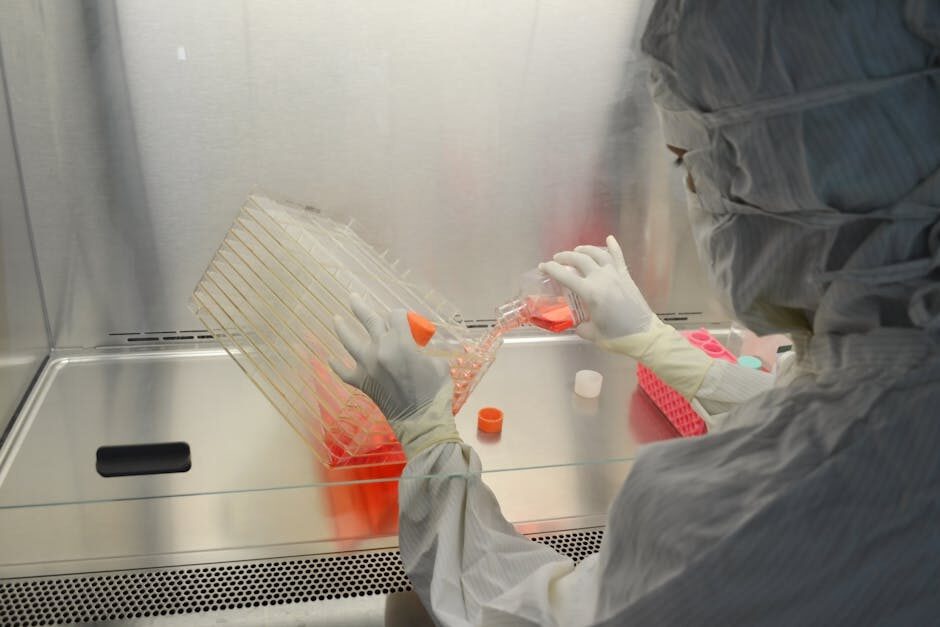
Introduction to the KHL Foundation medical tourism program
The KHL Foundation has emerged as a pioneering force in the realm of medical tourism for aging populations. Founded by Kenneth Scott and Helga Sands—two visionaries with decades of advocacy in the longevity space—the foundation addresses a pressing need: making cutting-edge gene therapy accessible today for people over 60. While traditional regulatory pathways can stretch therapies from bench to bedside over many years, the KHL Foundation medical tourism program accelerates patient access through trusted international partnerships. Seniors seeking to rejuvenate cellular functions no longer have to wait a decade or more; they can travel, receive treatment, and return home with measurable improvements in vitality and resilience.
At the core of this initiative lies a network of clinics experienced in administering viral vector injections directly into target tissues. This localized approach dramatically reduces systemic immune reactions and hones in on specific genetic targets known to deliver robust benefits in animal studies. The program’s roster of therapies includes gene constructs for klotho, follistatin and sirtuin 1, each chosen for its proven role in supporting neuronal health, boosting muscle regeneration, and optimizing mitochondrial energy, respectively.
Importantly, the foundation’s founders practice what they preach. Both Ken and Helga have served as self-experimentation subjects, personally testing therapies to validate safety profiles and dosing regimens. This hands-on approach creates a feedback loop: real-world patient data informs continuous protocol improvements, and outcomes—positive or otherwise—are shared transparently. For seniors evaluating whether to embark on this journey, the program’s open data philosophy offers peace of mind. Clinical partners publish anonymized results, and regular patient forums foster peer support. This level of transparency distinguishes the KHL Foundation from many emerging players in the broader longevity sector.
Mechanisms behind the innovative gene therapies offered
Understanding how the rejuvenation cocktail works begins with its three genetic components. Each gene therapy is delivered via a highly purified viral vector designed for precision. Patients receive intramuscular injections of the follistatin construct to suppress myostatin and activin, proteins that naturally inhibit muscle growth. Within days, satellite cells in muscle tissue awaken from senescence, initiating regeneration cycles that can restore strength lost over decades.
Simultaneously, the program employs intranasal instillation—under local anesthetic—of klotho and sirtuin 1 vectors. Klotho, often dubbed the “longevity gene,” has demonstrated capacity to maintain vascular flexibility, reduce chronic inflammation, and bolster neuronal plasticity. Meanwhile, sirtuin 1 orchestrates mitochondrial biogenesis, flipping the switch on cellular energy factories. This dual approach targets both the hardware (mitochondria) and software (cell signaling) of aging cells.
Early participants report improvements in cognitive sharpness, endurance, and mood within weeks. A case study from the program revealed that an 68-year-old retired engineer regained the ability to bike 20 miles without fatigue after three months—a feat he hadn’t attempted in years. Furthermore, follow-up epigenetic testing, such as outlined in this study on epigenetic analysis, indicates reversal of age-related methylation patterns. While every individual responds differently, aggregate data points to effects lasting 15–20 years, provided patients maintain lifestyle factors like nutrition and exercise. These findings underscore the synergy between gene therapy and supportive modalities such as total body vibration or PEMF therapy, which can amplify tissue responsiveness.
Why older adults stand to benefit most from these therapies
Seniors uniquely grapple with multifaceted decline: reduced muscle mass, waning cognitive flexibility, and slowing metabolism. Each of these processes is underpinned by molecular pathways that become dysregulated with age. By targeting them simultaneously, the KHL Foundation program offers a comprehensive approach rather than piecemeal interventions. For instance, boosting follistatin not only rebuilds musculature but also improves glucose clearance—a metabolic benefit that cascades into cardiovascular health.
Older adults often face a risk-reward equation when considering novel treatments. Traditional clinical trials favor younger participants with fewer comorbidities, leaving seniors underserved. The KHL Foundation flips that paradigm: its entire mission is to empower those over 60 who refuse to accept the clock. Treatment protocols account for age-related pharmacokinetics and immune responsiveness, ensuring dosing is both safe and effective. Pre-treatment evaluations include comprehensive blood panels, cardiac assessments, and neurocognitive screens to craft a personalized therapy schedule.
Moreover, the social dimension of aging is addressed through structured group sessions during treatment for shared experiences and peer accountability. Many participants report not just physiological gains but renewed confidence and purpose. One testimonial read:
“I traveled to our clinic feeling skeptical. By day four, I was remembering names I’d forgotten and climbing stairs with ease. This program gave me back my independence.”
This emotional uplift often translates into adherence to post-treatment lifestyle recommendations, from structured exercise to cryotherapy sessions such as those detailed in this cryotherapy guide. The resulting virtuous cycle amplifies the impact of the initial gene therapy.
Safety protocols, clinical oversight, and patient choice
Safety is paramount when working with viral vectors, especially in populations with varied health profiles. The KHL Foundation enforces multi-tiered screening: initial remote consultations review medical histories and medication regimens. Approved candidates undergo on-site diagnostics, including immune panel profiling to detect pre-existing antibodies against vector capsids. This step reduces the likelihood of neutralization and adverse reactions.
Treatment is administered in accredited clinics by physicians experienced in biologics. Real-time monitoring includes blood draws to assess liver enzymes, inflammatory markers, and vector biodistribution. Patients remain under observation for 24–48 hours, during which any acute reactions can be managed immediately. Follow-up telemedicine visits occur at week one, month one, and quarterly thereafter, ensuring long-term safety and efficacy tracking.
Crucially, the foundation champions patient autonomy. Seniors evaluate the balance of risk versus reward with full transparency on the trial status of each therapy. This philosophy resonates with the “right to try” movement, and many participants cite the freedom to make informed decisions as a key motivator. In every phase, optional interventions—such as adjunctive hormone optimization or nutritional protocols—are offered but never mandated. This respect for individual choice fosters trust and compliance, foundations for sustained success in any rejuvenation effort.
Comparing KHL’s offerings to other longevity modalities
The landscape of rejuvenation therapies is vast and often fragmented. Stem cell clinics, exosome infusions, and hyperbaric oxygen sessions compete for attention, each with varying degrees of clinical validation. The KHL Foundation distinguishes itself through its rigorous focus on genetically engineered therapies with mechanistic clarity. Gene therapy, unlike many experimental approaches, targets root causes of aging at the molecular level.
That said, synergy remains essential. Participants are encouraged to integrate evidence-based modalities from other domains. For instance, pulsed electromagnetic field (PEMF) therapy enhances cellular repair and can accelerate recovery when combined with gene treatments. Total body vibration sessions can prime muscle fibers to accept follistatin’s regenerative signals more readily. Cryotherapy not only reduces inflammation but also upregulates heat-shock proteins that support protein folding and stability in newly transduced cells.
For those eager to explore complementary diagnostics, advanced epigenetic testing provides insight into biological age markers, guiding personalized maintenance plans. Meanwhile, a deep dive into the future of gene therapies reveals emerging candidates—like telomerase activators—that could be integrated into next-generation protocols. Over time, as data accumulates and regulatory pathways evolve, top-tier clinics from this program will likely expand into the US and Europe, setting new standards for safety and efficacy.
Planning your journey: logistics and key considerations
Embarking on a medical tourism trip requires more than just booking flights and appointments. The KHL Foundation assigns each patient a dedicated case manager to coordinate travel logistics, lodging near the clinic, and language support if needed. Recommended itineraries span 7–10 days, allowing for pre-treatment evaluations, therapy administration, and initial recovery under clinical supervision.
Financial planning is transparent. A bundled fee covers diagnostics, vector production, clinical visits, and accommodations. Optional add-ons—nutritional counseling, physical therapy, and ancillary therapies like whole-body vibration—are itemized so patients can tailor their investment. Insurance rarely covers experimental interventions, so out-of-pocket budgeting is key. Flexible payment plans can ease this burden.
Pre-departure, participants receive detailed instructions on medication adjustments and dietary guidelines. Post-treatment, a structured follow-up schedule includes remote lab tests and telehealth appointments. Local partners in major cities worldwide can perform routine blood work, minimizing travel needs for long-term monitoring.
By demystifying every step, the KHL Foundation transforms what could be an overwhelming ordeal into an empowering voyage. Seniors gain not only access to breakthrough gene therapies but also a support network committed to their sustained well-being. As early adopters share success stories, the program’s reputation grows, inspiring more seniors to seize control of their aging trajectories—today, not decades from now.


