



Are you ready to revolutionize your approach to eating? Meal planning for optimal health is an exciting journey towards nourishing your body and enhancing your well-being. By taking the time to thoughtfully plan your meals in advance, you unlock a treasure trove of benefits that go beyond just saving time and money. Imagine gaining precise control over the nutritional content of every meal you consume, truly tuning in to what your body needs to thrive. When you know what you’re going to eat, stress diminishes and your relationship with food transforms.
This practice acts as a powerful tool in your health arsenal, helping to reduce the risks of chronic conditions such as heart disease and other health issues linked to poor dietary choices. With meal planning, you can also explore a world of flavors and ingredients, ensuring you are not only eating healthy but enjoying the process. By organizing your shopping lists, understanding nutrition labels, and selecting affordable fruits and vegetables, you’ll equip yourself with the knowledge to make informed decisions at every meal. Let’s dive into the art of meal planning and discover how it can elevate your path to optimal health!

Meal planning has emerged as an essential strategy for those seeking to enhance their overall well-being and promote optimal health. By organizing meals in advance, individuals can efficiently manage their time and resources while ensuring they consume a balanced diet. Notably, a well-structured meal plan can significantly reduce the risk of chronic diseases, such as heart disease and diabetes, by emphasizing nutrient-dense foods and smart portion control.
Understanding the Importance of Meal Planning
The significance of meal planning cannot be overstated. Research indicates that individuals who engage in consistent meal planning tend to have healthier eating habits. According to a study published in the American Journal of Preventive Medicine, those who regularly prepare meals at home consume fewer calories and more fruits and vegetables compared to their counterparts who rely on fast food or pre-packaged meals.
Moreover, meal planning assists with financial management, as it allows individuals to purchase only the necessary ingredients, reducing food waste. A survey conducted by the Food Waste Reduction Alliance found that a staggering 40% of food in the United States is wasted, costing the economy approximately $218 billion annually. With meal planning, consumers can make informed choices that minimize waste and optimize their grocery budgets.
Practical Strategies for Effective Meal Planning
To embark on a successful meal planning journey, it is essential to adopt practical strategies that suit individual lifestyles. Here are some actionable steps to get started:
1. Assess Nutritional Needs: Before setting up a meal plan, it’s crucial to understand your specific dietary needs. This includes considering factors such as age, weight, physical activity, and any underlying health conditions. Consulting a nutritionist can provide tailored recommendations that align with your health goals.
2. Plan Meals for the Week: Choose a specific day each week to plan your meals. This practice can include breakfast, lunch, and dinner, along with snacks. By having a clear outline of meals for the week, it becomes easier to stick to a healthy eating regimen and avoid impulsive choices.
3. Create a Grocery List: Once you’ve outlined your meals, compile a comprehensive grocery list based on your planned meals. This exercise ensures that you have all necessary ingredients on hand, minimizing the temptation to opt for unhealthy convenience foods.
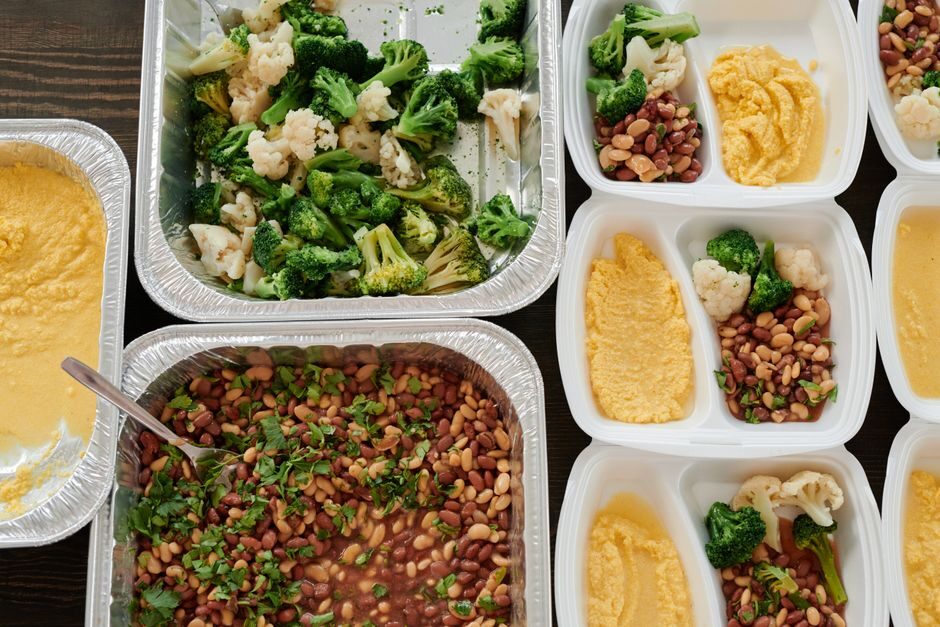
4. Batch Cooking: Preparing larger portions of meals at once can save time during busy weekdays. Meals like soups, stews, and casseroles texture well when reheated. This approach not only makes weekday cooking simpler but also supports portion control.
5. Embrace Variety: Keeping meals exciting is key to maintaining a sustainable meal plan. Rotate between different protein sources, grains, and vegetables to ensure a diverse intake of nutrients. Websites like Upper Longevity offer a plethora of healthy recipes that can keep your meals fresh and enjoyable.
6. Incorporate Mindful Eating Practices: Alongside meal planning, it’s vital to cultivate mindful eating habits. This entails paying close attention to hunger and fullness cues, and savoring each bite without distractions. Mindfulness can significantly enhance digestion and overall satisfaction with meals.
Establishing a solid framework for meal planning leads to better health outcomes. For instance, a study featured in the Journal of Nutrition noted that meal planning contributed to a more substantial intake of whole foods among participants. These findings suggest that the effort put into organizing meals may yield significant long-term health benefits.
Anecdotes and Case Studies of Transformative Meal Planning
Real-life examples often illuminate the transformative power of meal planning. For instance, a recent case study focused on a group of individuals participating in a 12-week meal planning program. Participants reported improved energy levels, better mood stability, and enhanced cognitive function throughout the program. Many individuals noted a profound connection between food choices and their overall productivity and wellbeing, demonstrating the benefits of careful meal selection.
However, success stories extend beyond just individual experiences. Families who adopt meal planning often report strengthened bonds through shared cooking experiences. For example, a mother who decided to involve her children in meal preparation found that not only did her kids enjoy healthier foods, but they also developed essential culinary skills and a sense of accomplishment. This approach fosters a positive relationship with food from a young age, instilling lifelong healthy habits.
Furthermore, meal planning aligns seamlessly with concepts from biohacking, as it allows individuals to tailor their nutrient intake to maximize performance. Techniques such as biohacking through diet can lead to greater productivity and concentration in both work and daily tasks. By identifying specific foods that increase focus and mental clarity, individuals can craft meal plans that support their goals both mentally and physically.
Long-Term Health Benefits of Meal Planning
The long-term health advantages of meal planning extend beyond just meal preparation. Those who regularly engage in cooking and consuming home-cooked meals tend to report lower incidences of obesity and related conditions. According to the Centers for Disease Control and Prevention, home cooking is associated with healthier food choices and better portion control, both of which can contribute significantly to weight management.
Additionally, meal planning encourages greater awareness of nutrition labels and food quality. Individuals become more adept at identifying sources of added sugars, unhealthy fats, and preservatives, allowing them to make informed choices that enhance their wellbeing. Resources such as balanced meal plans encourage individuals to reflect on their dietary habits and seek out improvements.
Meal planning also creates a foundation for successful dietary changes. Those looking to transition to a plant-based or reduced-meat diet, for instance, have noted that planning meals in advance aids significantly in managing cravings and maintaining nutritional balance. By integrating resources focused on transitioning to a vegan diet, such as those found at Upper Longevity, individuals can make informed changes without the stress of trial and error.
In summation, the practice of meal planning for optimal health incorporates understanding nutritional needs, implementing practical strategies, applying insights from real-life experiences, and acknowledging the substantial long-term benefits it offers. By embracing the art of meal planning, individuals can not only achieve better health outcomes but also cultivate a flourishing relationship with food that nurtures both body and soul.
Frequently Asked Questions about Meal Planning for Optimal Health
Q: What is meal planning?
R: Meal planning is the process of organizing your meals in advance to save time, reduce stress, and improve your dietary choices.
Q: How does meal planning contribute to better health?
R: By planning your meals, you gain control over the nutritional content, allowing you to make healthier choices that can lower your risk for diseases like heart disease.
Q: What are the benefits of planning meals in advance?
R: Meal planning can help you save money, reduce food waste, and streamline your grocery shopping, making healthier eating more convenient.
Q: How can I start meal planning?
R: Begin by creating a list of healthy recipes, organizing your shopping list, and determining your daily servings based on your calorie needs.
Q: Are there any resources to assist with meal planning?
R: Yes! There are various resources available, including meal planning guides, shopping lists, and tips for simplifying meal preparation.
Q: Can meal planning help with dietary restrictions?
R: Absolutely! Meal planning allows you to tailor your meals to meet specific dietary restrictions or preferences, ensuring that you can enjoy nutritious options.
Q: What should I consider when planning meals?
R: Consider factors such as nutritional balance, food variety, preparation time, and your personal preferences to create a sustainable meal plan.
Q: How often should I plan my meals?
R: Ideally, meal planning should be done weekly, allowing you to adjust for any schedule changes or fresh ingredients available.


